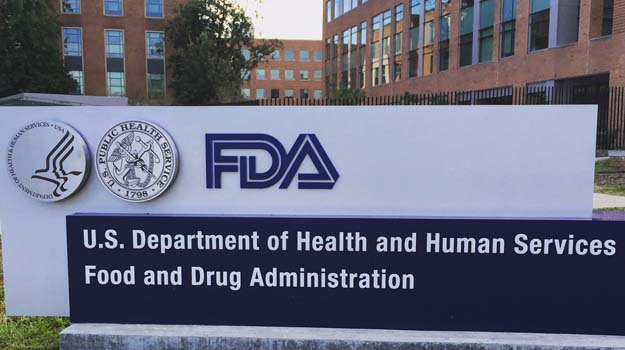
If you work in the GMP-regulated industry, you not only need to address human error deviations because they are an inconvenience, but you must do it because the regulation requires it. For example, The CFR - Code of Federal Regulations Title 21 Subpart B_Organization and Personnel Sec. 211.22 talks about the "Responsibilities of the quality control unit." and it states that "(a) There shall be a quality control unit that shall have the responsibility and authority to approve or reject all components, drug product containers, closures, in-process materials, packaging material, labeling, and drug products, and the authority to review production records to assure that no errors have occurred or if errors have occurred, that they have been fully investigated…” Also, the European Commission reads, “Where human error is suspected or identified as the cause; this should be justified having taken care to ensure that process, procedural or system-based errors or problems have not been overlooked if present. Appropriate corrective and/or preventative actions (CAPAs) should be identified and taken in response to investigations. The effectiveness of such actions should be monitored and assessed, in line with Quality Risk Management principles.” We at Human Error Solutions have created the simplest and most effective human error reduction program, with 100% effectiveness when fully implemented in different organizations worldwide. This valid scientific model combines qualitative and quantitative methodologies and provides practical tools that would assist your organization in achieving the desired results.
WHY SHOULD YOU ATTEND?
This training will provide the steps that you will be able to implement in a human error reduction program at your site. It includes practical tools, the six steps for implementation, and how to measure effectiveness to continuously improve human reliability at your site.
LEARNING OBJECTIVES
- Error Reduction System
- 6-Step Implementation Process
- HES Tools
- Implementing the program
- Metrics and KPIs
- What is Human Error
- How is Human Error controlled
- 6-step method for error prevention
- Human error rates and measurement
- Trending and tracking
- Prediction
- CAPA effectiveness
WHO WILL BENEFIT?
- Training managers and coordinators
- Operations
- Manufacturing
- Plant engineering
- QA/QC staff
- Process excellence/improvement professionals
- Industrial/process engineers
- Compliance officers
- Regulatory/legislative affairs professionals
- General/corporate counsel
This training will provide the steps that you will be able to implement in a human error reduction program at your site. It includes practical tools, the six steps for implementation, and how to measure effectiveness to continuously improve human reliability at your site.
- Error Reduction System
- 6-Step Implementation Process
- HES Tools
- Implementing the program
- Metrics and KPIs
- What is Human Error
- How is Human Error controlled
- 6-step method for error prevention
- Human error rates and measurement
- Trending and tracking
- Prediction
- CAPA effectiveness
- Training managers and coordinators
- Operations
- Manufacturing
- Plant engineering
- QA/QC staff
- Process excellence/improvement professionals
- Industrial/process engineers
- Compliance officers
- Regulatory/legislative affairs professionals
- General/corporate counsel